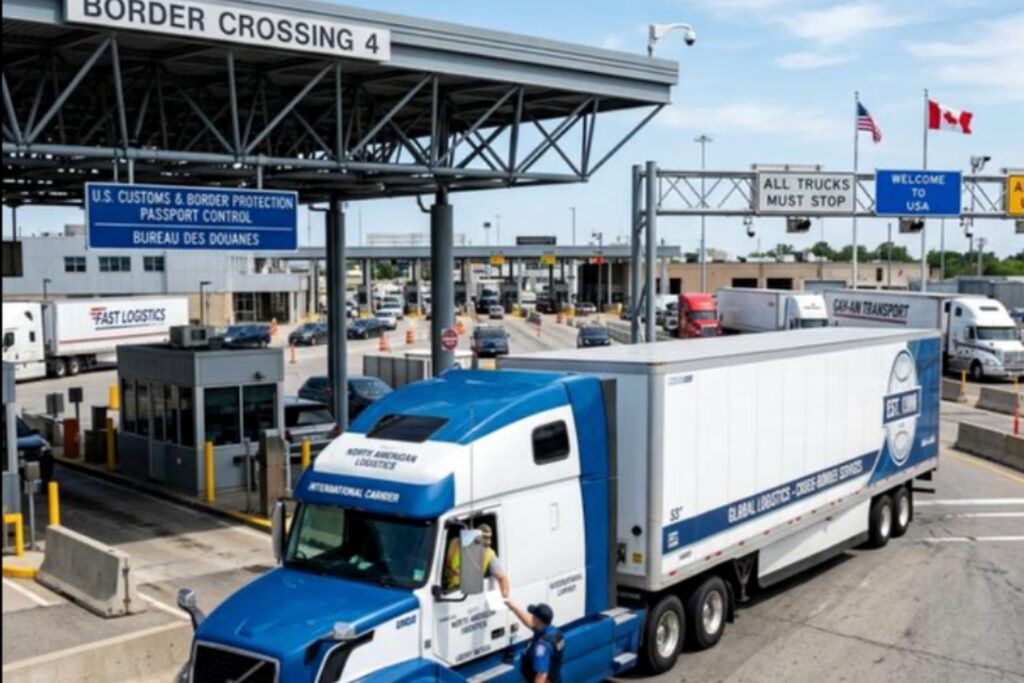
CUSMA can provide Canadian businesses with an important competitive advantage when trading with the United States and Mexico — but only when the rules are understood and properly applied. Preferential tariff treatment is not automatic, and an incorrect origin claim can result in unexpected duties, delays, and compliance problems.
For businesses that import, manufacture, or export goods across North American borders, understanding the fundamentals of CUSMA compliance is essential. In this article, we’ll look at the key areas businesses should understand to build a stronger and more defensible CUSMA compliance process.
“CUSMA compliance isn’t about having the right paperwork at the border — it’s about being able to prove that your claim is correct.”
1. Understand the Rules of Origin
The first step in maintaining CUSMA compliance is understanding the rules of origin that apply to your products. A product being manufactured or purchased in Canada does not automatically make it eligible for preferential tariff treatment. To qualify, the goods must meet the specific rules of origin established under CUSMA.
Determining origin requires businesses to understand where their materials come from, how their products are manufactured, and which tariff classification applies. The applicable product-specific rule of origin then determines what must be satisfied for the goods to qualify under CUSMA.
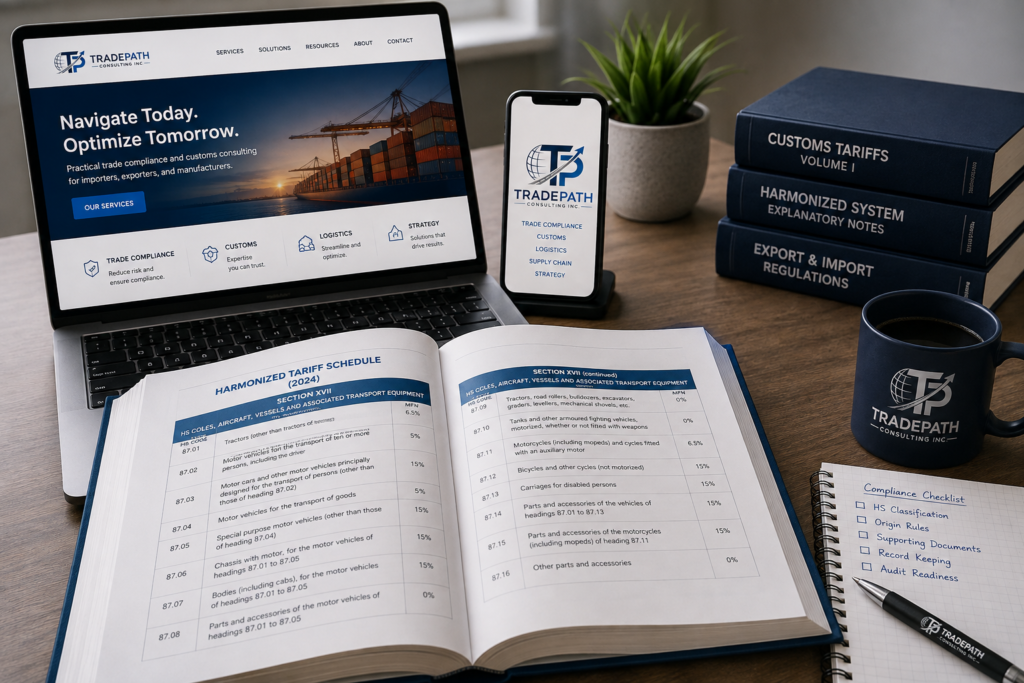
Once origin has been determined, businesses need to maintain the information and records that support that determination. This can include accurate tariff classifications, supplier information, production details, and other documentation used to demonstrate that the applicable rule of origin has been met.
This is why CUSMA compliance is more than completing paperwork for a shipment. A business making a preferential tariff claim should be able to demonstrate how the goods qualify and support that claim with appropriate records. Building a consistent process for determining and documenting origin can help reduce the risk of incorrect claims, unexpected duties, delays, and compliance issues at the border.